Best Climate For Lavender
Best Climate For Lavender. Considering that lavender originates from hot, arid climates similar to italy, france, and spain, it’s understandable that cold or humid weather is not ideal. I live where it is hot and very dry.
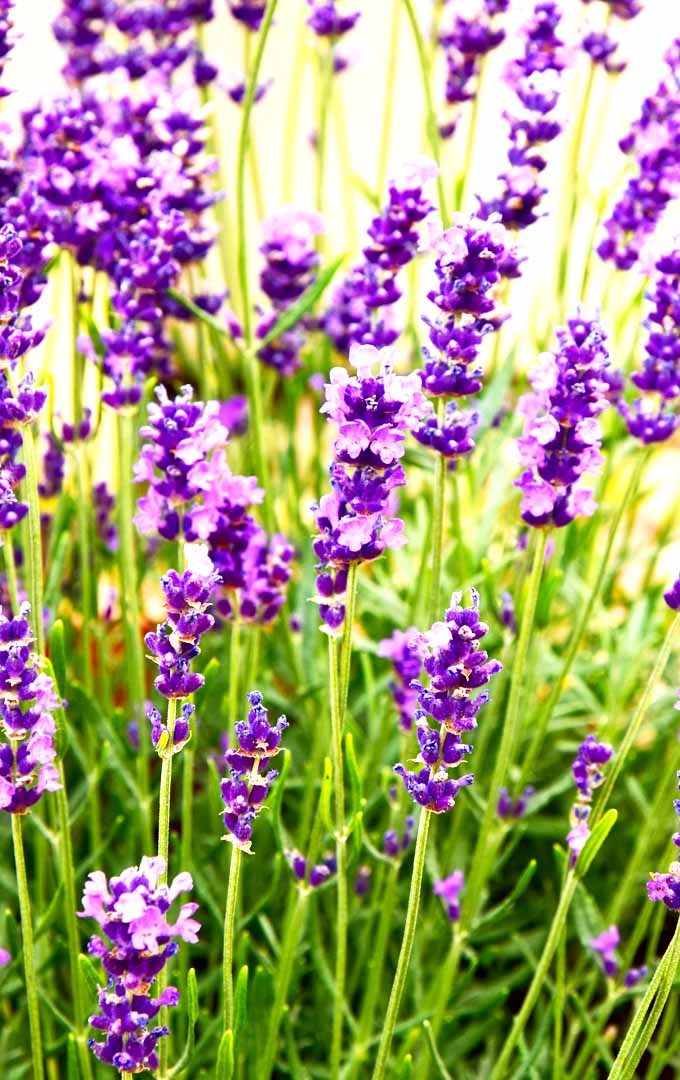
You could always let it bloom and then give it a trim. English lavender (lavandula angustifolia) is the most common species available, and is quite hardy. Generally speaking, if you live in usda hardiness zone 5 or warmer, you'll be able to keep lavender as a perennial plant outdoors, as long as you grow the right type for your climate.

Lavender’s Native Habitat Is The Area Around The Mediterranean Sea Which Has Dry, Chalky/Rocky Ground, So It Thrives On Hot, Dry, Rocky, Or Sandy Soil.
English lavender grows best in direct sunlight, but this is the varieties that can best tolerate the low light as well. If you get reliable snow cover you can grow it in zone 3, as well. Grosso, which tolerates the hot dry climate and produces a good and useful essential oil.
Echinacea And Lavender Make A Great Pairing, And Not Just Because They Look Stunning Next To Each Other.
X intermedia (lavandin) are reasonably tolerant of cold temperatures, winds, rain. Now that i am a girl of the south, i am starting to pick up more spanish lavender as it does really well in this climate too! You could always let it bloom and then give it a trim.
It Grows 12 To 18 Inches Tall And Needs Little Care, Other Than Winter Protection.
In colder zones lavender should be planted in spring or summer but in tropics growing conditions are different. Unless your climate is very humid or cold, you should be able to find some. Sun is more intense in summer and afterwards it rains, which increases the humidity level and makes intolerable for the plant to thrive that is why winter is the best month to plant lavender in tropics.


About The Author

