English Lavender Indoors
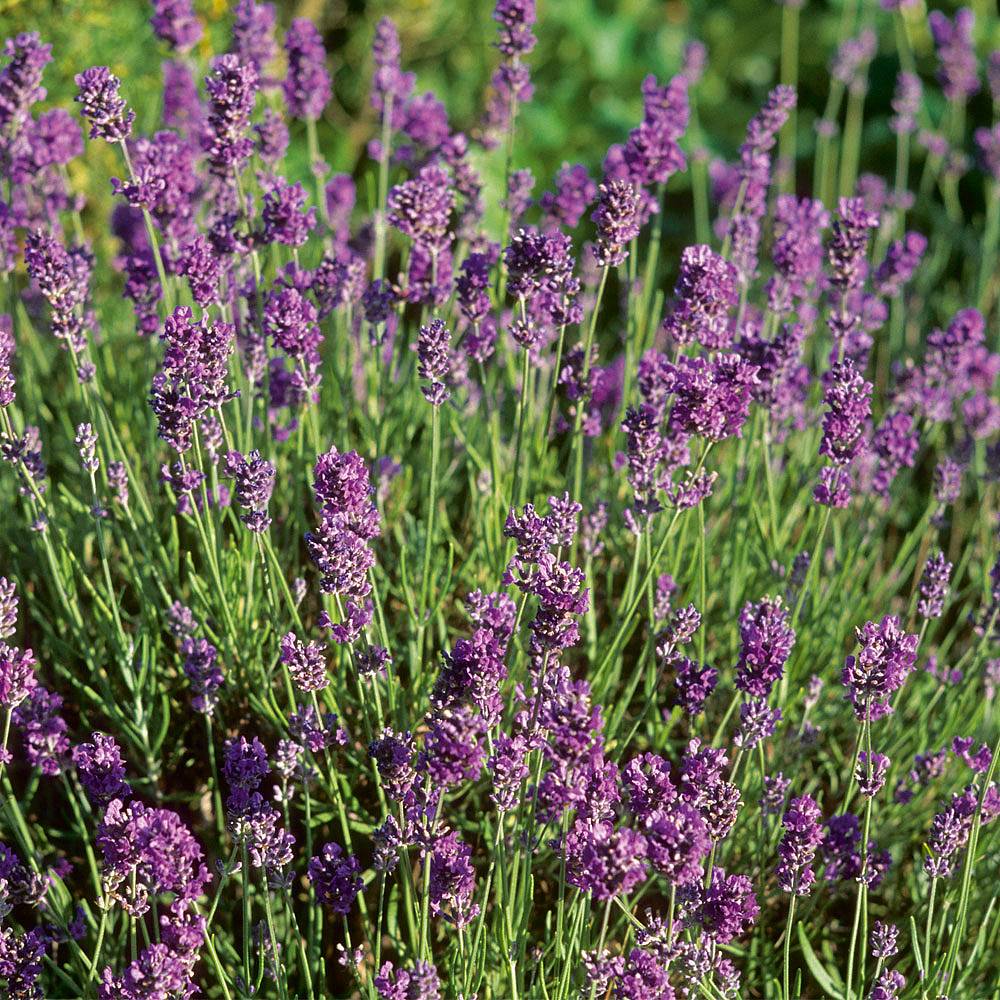
English Lavender Indoors. While the aspca flags all species of lavender as mildly toxic to cat and dogs, there is conflicting information to be found. Pink english lavender (lavandula angustifolia ‘rosea’) to the strong but calming fragrance of english lavender, this variety, ‘rosea’ will add an abundance of pale pink (sometimes off white) flowers.

Mulching is a good way to lessen the level of humidity. Tips for growing lavender indoors. English lavender is often planted in border gardens along with flowering perennials or along pathways.

Place The Plant Inside The Hole And Fill With Dirt To Cover The Roots.
When choosing a location for your lavender plant, you need to consider sunlight and air flow. The biggest problem growing lavender indoors will be a lack of sunlight. Another excellent choice is ‘little lottie,’ with its soft pink flower spikes.
Pink English Lavender (Lavandula Angustifolia ‘Rosea’) To The Strong But Calming Fragrance Of English Lavender, This Variety, ‘Rosea’ Will Add An Abundance Of Pale Pink (Sometimes Off White) Flowers.
Mulch conserves moisture and prevents the growth of weeds. Established outdoor lavenders will not need watering over winter. If the soil is dry, then it is time to water.
When We Shut Our Grow Lights Off At Night We Shut Our Heat Mats Off As Well.
These plants are tolerant of different soil types and tend to grow best where winters are wet but summers are relatively dry. However, it can still be a great option as an indoor plant as long as you follow all of the proper steps for growing your lavender and caring for it. A gentle breeze once in a while from an open window is appreciated as this reduces the chance of.

About The Author

