Lavender Lavandula Angustifolia
Lavender Lavandula Angustifolia. Will also grow fine in tubs or containers, but in colder regions the plants may then need shelter for the winter. Two of the most common species of lavender are lavandula angustifolia or “true lavender” and a hybrid lavandula intermedia or “lavandin” (which is a hybrid of angustifolia and latifolia).
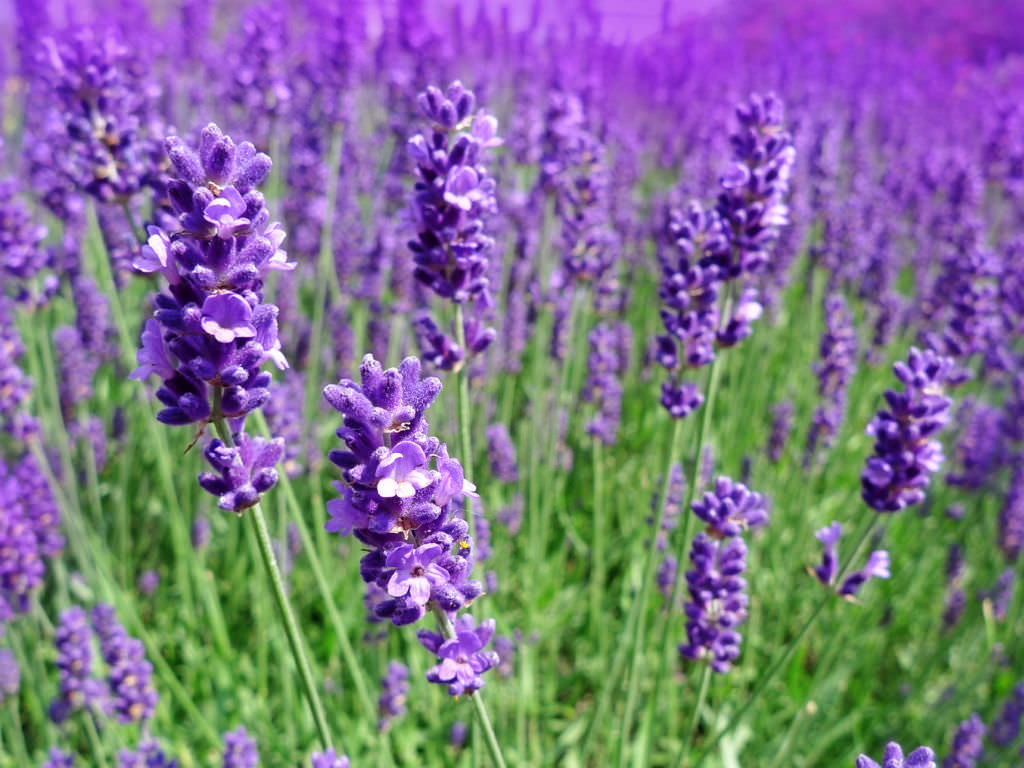
Once only from late spring to early or mid summer. Widely grown a low hedge, in the cottage garden and of course for the production of flowers and oil. It is included in an evolving list of plants carefully researched and chosen by rhs.

The Rhs Award Of Garden Merit (Agm) Helps Gardeners Choose The Best Plants For Their Garden.
Will also grow fine in tubs or containers, but in colder regions the plants may then need shelter for the winter. Most varieties yield purple flowers, but some cultivars come in white or pink. It is actually a native of the mountains of western mediterranean regions.
English Lavender Is Widely Grown For Its Ornamental, Aromatic, Culinary And Medicinal Properties, And Many Cultivars Have Been Developed.
Officinalis, is a flowering plant in the family lamiaceae, native to the mediterranean (spain, france, italy, croatia etc.). Lavandula × intermedia , also known as lavandin or dutch lavender , yields a similar essential oil, but with higher levels of terpenes including camphor , which add a sharper overtone to the fragrance. It is known for being the finest type of lavender both for scent and for culinary applications.
Two Of The Most Common Species Of Lavender Are Lavandula Angustifolia Or “True Lavender” And A Hybrid Lavandula Intermedia Or “Lavandin” (Which Is A Hybrid Of Angustifolia And Latifolia).
Pink english lavender (lavandula angustifolia ‘rosea’) to the strong but calming fragrance of english lavender, this variety, ‘rosea’ will add an abundance of pale pink (sometimes off white) flowers. Ideal for garden borders, cooking and potpourri, this lavender also produces the best oils. English lavender (lavandula angustifolia) yields an oil with sweet overtones and can be used in balms, salves, perfumes, cosmetics, and topical applications.


About The Author

