Lavender Partial Shade
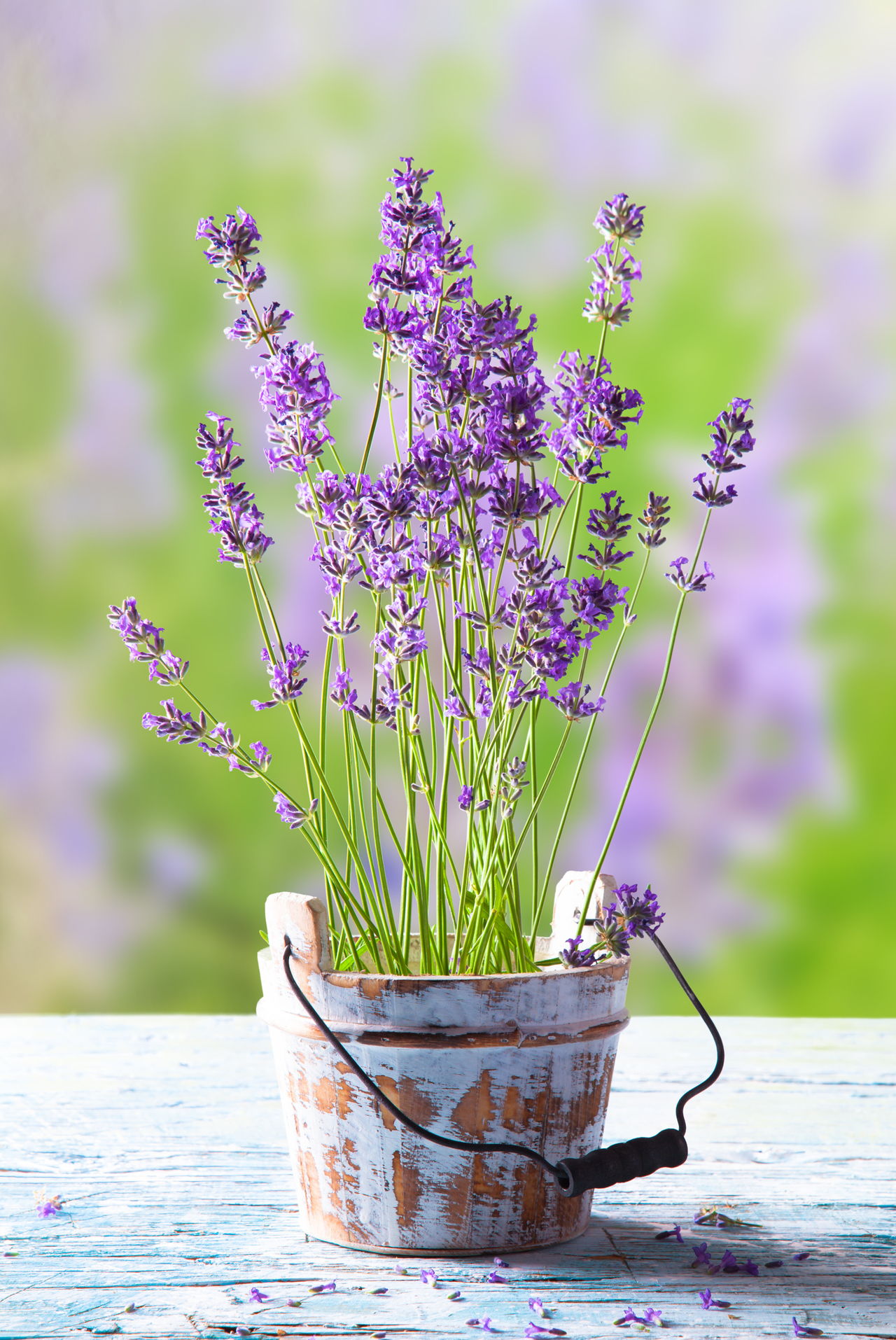
Lavender Partial Shade. Most species of lavender will grow in partial shade, but lavandula. Indeed, lavender prefers dry conditions:

These annuals are easy to grow in partial or full shade. Firstly, the pot must have enough drainage holes. Remember that lavender plants are naturally used to being in hot and dry locations.

Feeding Will Not Make Up For The Lack Of Sun, May Make It Worse As Lavender Also Does Not Like To Be Fertilized And Does Not Do Well In Moist/Wet Soil.
Elderberry grows 5 to 12 feet tall and 3 to 6 feet. But the main problem with growing lavender in the shade is the risk of root rot. Heuchera is relatively pest free and grows well in both full sun and partial shade, but they'll need more water when grown in sun.
(If You’re Interested In Growing One Of These Varieties, Check Out My Guide Here.)
The fragrance of the english lavender is weaker and the blooming is less if grown in shady places, but at least you can enjoy some lavender flowers even if your backyard is not the brightest one. Growing in a pot is an ideal way to provide good drainage. ‘mona lavender’ is a hybrid, a member of the plectranthus or spurflower (in greek, plektron = spur and anthos = flower) genus.
These Annuals Won’t Come Back Year After Year, But They Turn The Shadiest Corner Of Your Backyard Or Garden To A Feast Of Color.
In partial shade, english lavender will never reach its full size, however, do not overwater, as the soil cannot dry out as quick as in full sun. Can lavender plants be grown in the shade? The roots and stems are edible and can be used in the making of jams, omelettes and cakes.

About The Author

