English Lavender Plant
English Lavender Plant. Flowers can be blue, lavender, or purple, making it a great choice for the garden. Dwarf cultivars of lavandula angustifolia included, among others, compacta, folgate, dwarf blue, dwarf white, hidcote pink, hidcote superior, munstead, nana atropurpurea, nana rosea, sarah, summerland surpreme and lady lavender.
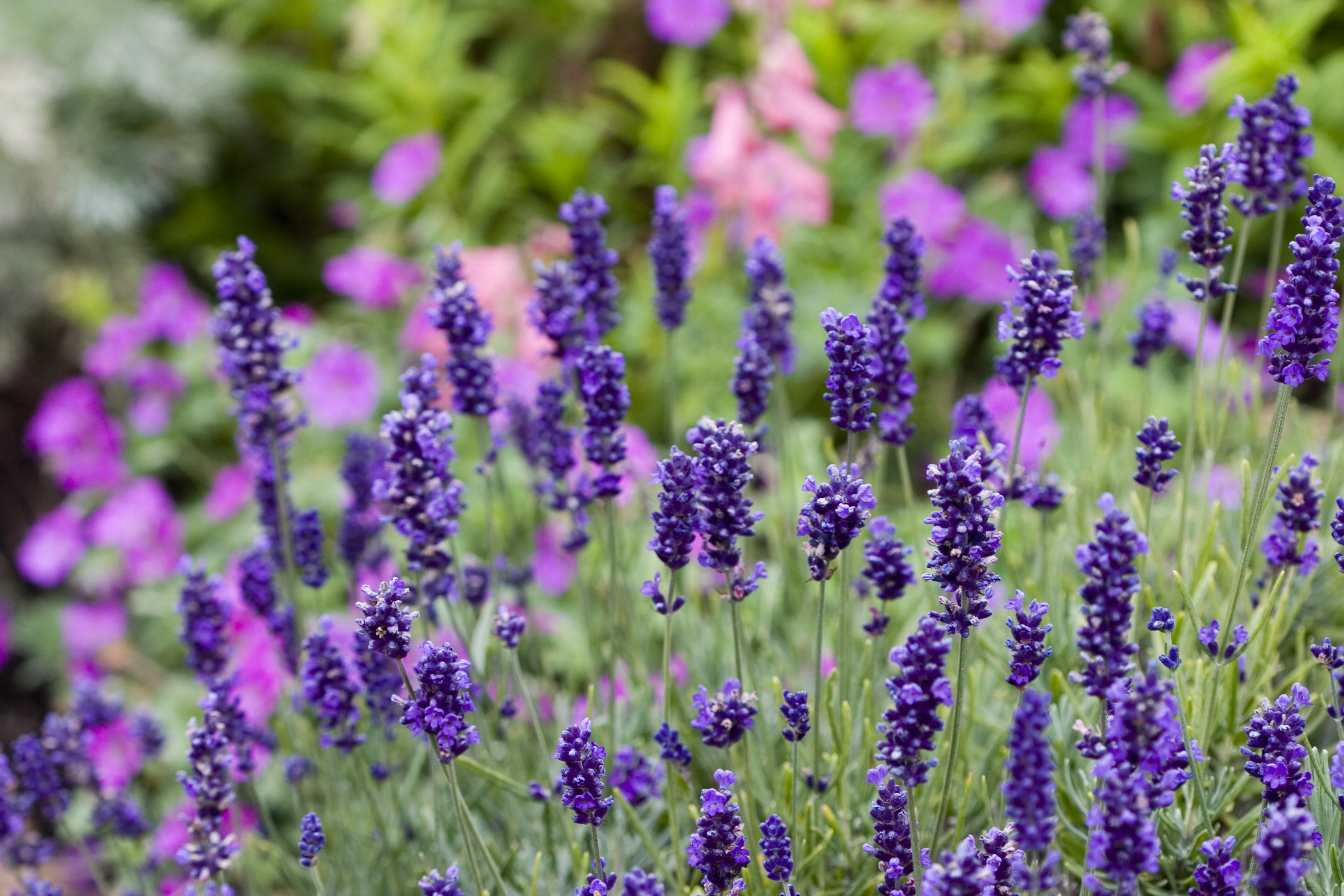
It is beautiful on its own planted in a pot as a statement piece, and it is equally stunning in rows of lavender that sway together in the spring breeze. In new england it has been collected from dry fields in vermont. When you’re ready to plant, dig a hole large enough for the roots, and leave 1 to 2 feet between each hole if you’re planting more than 1 plant.

Lavandula Angustifolia Is Commonly Known As English Lavender.
The difference between french and english lavender is that english lavender is cold hardy and lives much longer (up to 15. English lavender plants are generally quite hardy in the garden. A potted lavender plant requires water, sunlight, and a good amount of nutrients to stay healthy and strong.
English Lavenders Are Hardy To Zone 5 And Can Be Grown In A Temperate Climate.
It also suits contemporary garden styles and makes an aromatic border edging around vegetable or herb plots. Nearly all cultivars and hybrids are extremely attractive to bees, butterflies and hoverflies. Flowers in late spring and summer.
These Fragrant Perennials Are Hardy In Zones 5 To 10 And Have A Sunny Disposition.
Give them a spot in full sun for best flowering. Plant lavender in a spot that gets at least 6 to 8 hours of sunlight each day (“full sun”). Growing tips for the ‘munstead’ lavender is providing the soil with a neutral ph (ph 6.7 to 7.3).

About The Author

